

Parental controls that actually hold
A switch that saves nothing is worse than no switch at all. What we enforce, where, and what a guardian can really see.
The failure mode nobody reports
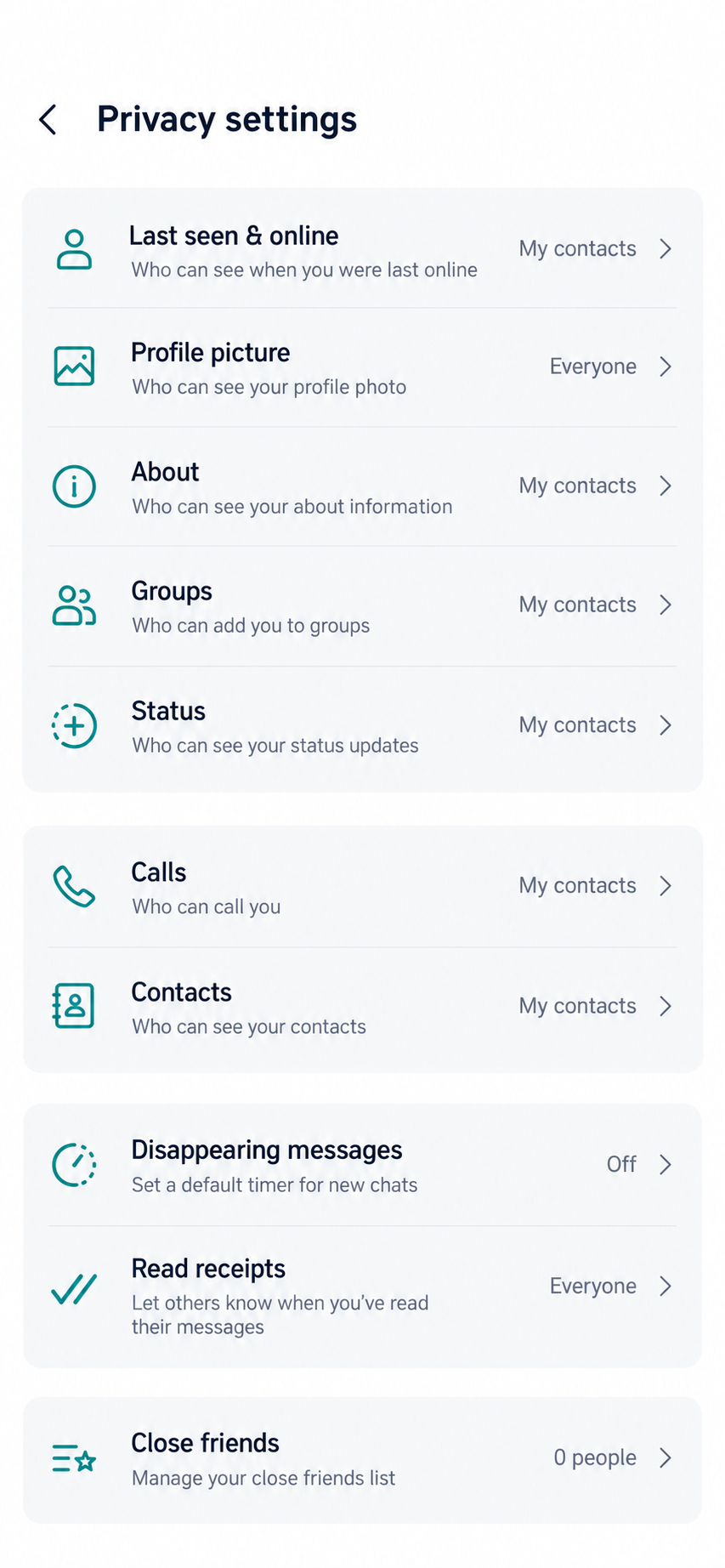
The dangerous version of a parental control is not one that is missing. It is one that is drawn, enabled, and connected to nothing — a guardian turns off purchases, sees the switch move, and believes it.
We shipped one of those on the web and did not find it for weeks, because nothing about it looked wrong. It is fixed, and the way we found it is now a standing check: a script that reads the source and flags any control with no handler behind it.
What a guardian can set
Who can message the account, who can call it, whether it appears in search and suggestions, whether new contacts need approval, and whether coins can be bought at all. Each is stored against the dependent account and enforced by the service, not by the screen that set it.
There is a floor the platform will not let anyone go below, whatever a guardian prefers. Ask to loosen something past it and the request is refused with a reason, rather than accepted and quietly ignored.
Visible, not secret
A linked account can see that it is linked, who to, and what that person can see. Surveillance a young person does not know about is a different product with a different set of harms, and we are not building it.
Either side can end the link. Requests go both ways: a dependent can ask for something, and a guardian answers it — from the phone or the browser, because an answer that only arrives on one device is one that waits.
Keep reading
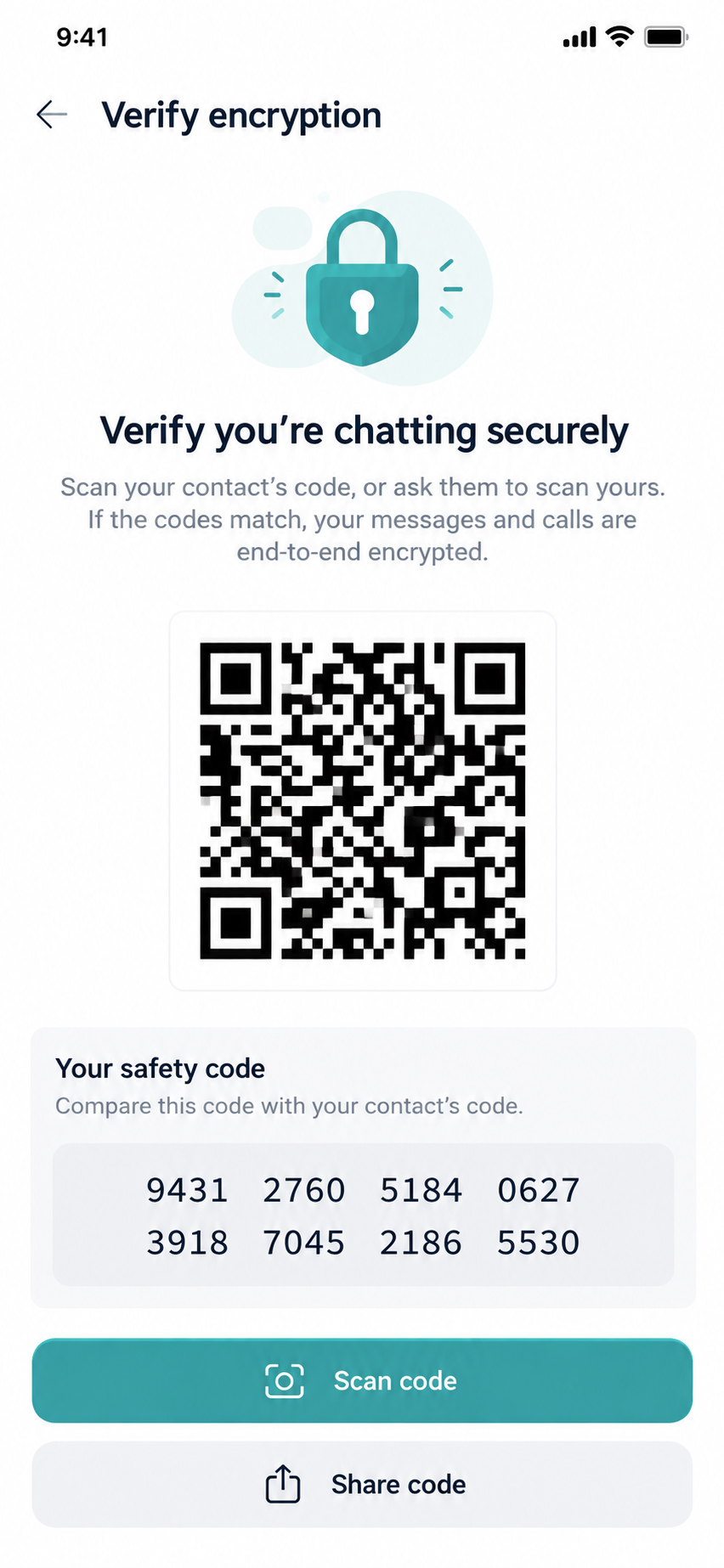
What “end-to-end encrypted” actually means here
Every app says it. Here is the specific thing Afarchat does, the part you can check yourself, and the part we cannot do for you.

Why we call them Flicks
A short video format is not a new idea. What a name buys you is a promise about what the format is for.